Protein Bagels With Psyllium Husk
Highlighted under: Wholesome Kitchen Co.
I recently experimented with making protein bagels using psyllium husk, and I must say, the result was phenomenal! These bagels are not only incredibly satisfying but also packed with protein and fiber. Perfect for breakfast or a quick snack, they hold their shape beautifully and have a delightful chewy texture. I loved the way the psyllium husk adds structure without extra starch, and the taste is surprisingly neutral, letting the toppings shine. Trust me, once you try these, regular bagels will be a thing of the past!
During my recent health journey, I set out to create a bagel recipe that aligned with my protein goals without sacrificing flavor. After trying several variations, I found that incorporating psyllium husk works wonders for binding the ingredients, making it easier to shape the bagels. The husk also adds a nice texture, making these bagels chewy and satisfying.
To ensure I captured the essence of a traditional bagel, I played around with the cooking method, opting for boiling before baking. This step not only enhances the texture but gives that authentic bagel taste. The end result? A fantastic protein-packed treat that satisfies my cravings!
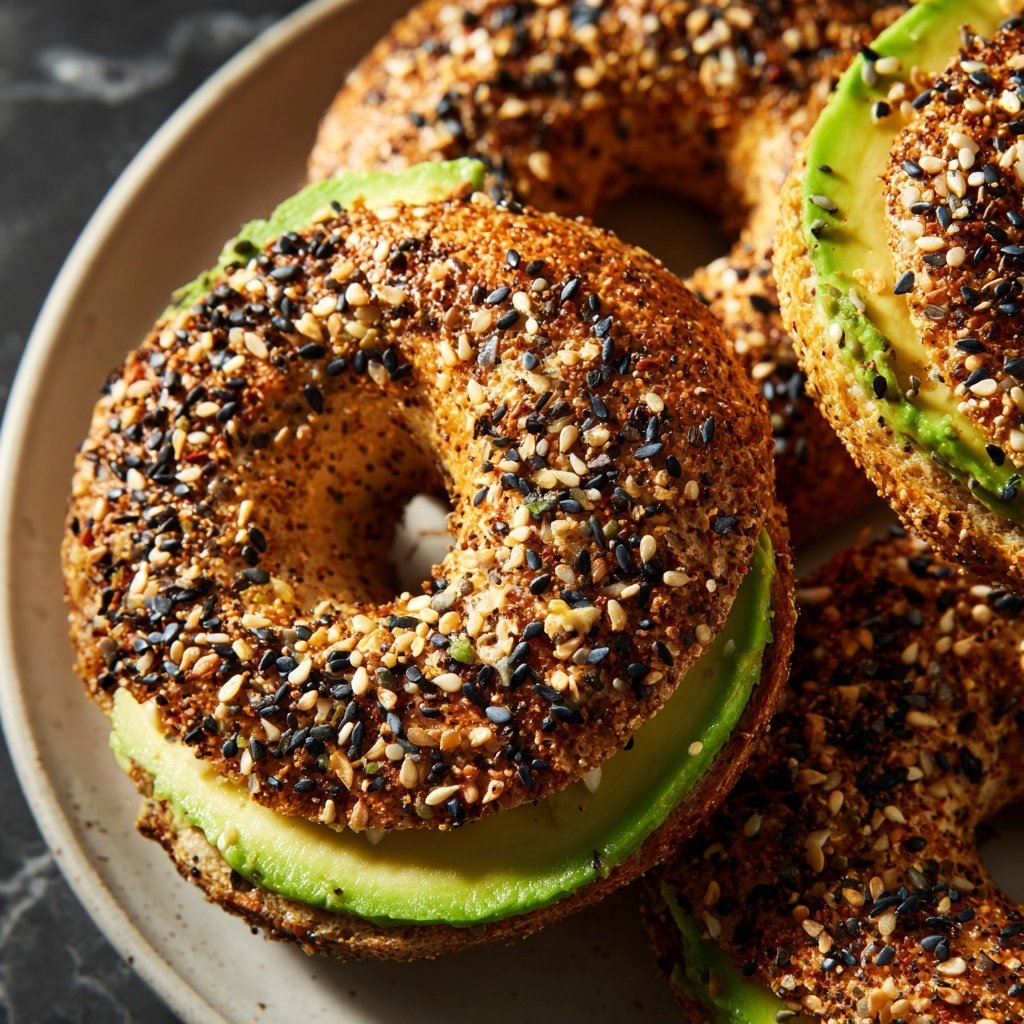
Why You'll Love These Bagels
- Nutritious and low-carb alternative to traditional bagels
- Chewy texture that keeps you full and satisfied
- Versatile for toppings, from savory spreads to sweet options
The Role of Psyllium Husk
Psyllium husk is a key ingredient in these protein bagels, contributing to their unique texture and structure. It acts as a binding agent, holding the dough together and giving it a chewy consistency. This is particularly important in low-carb recipes where traditional gluten isn't present. The psyllium absorbs moisture effectively, which helps to create a bagel that holds its shape beautifully during cooking.
In addition to structural benefits, psyllium husk is also rich in fiber, making these bagels a gut-friendly choice. By promoting a feeling of fullness, the fiber can aid in weight management and digestive health. I recommend measuring it accurately, as too much psyllium can lead to a dense bagel, while too little might result in a dough that doesn’t hold together.
Perfecting Your Bagel Shape
Shaping the bagels is a crucial step that impacts the cooking process and final presentation. When dividing the dough, aim for equal portions to ensure uniform cooking. A common practice is to use a kitchen scale for accuracy—this can be especially helpful if you’re scaling the recipe up. Once rolled into balls, gently stretch each piece to form a hole in the center; this not only gives the bagel its iconic shape but also assists in even cooking.
Be cautious not to make the hole too small; remember that it will expand during boiling and baking. If the hole closes up, the bagel might end up less airy and not as appealing. If you struggle with shaping, a quick tip is to wet your hands slightly to prevent the dough from sticking.
Boiling and Baking Techniques
Boiling the bagels is a traditional technique that results in a chewy outer layer, which is characteristic of an authentic bagel. Make sure your water is at a rolling boil before adding the bagels; this not only ensures they cook properly but also helps form the exterior crust. Boil them for about 2 minutes on each side, paying attention to see when they float—this is a good indication that they’re ready to flip.
When it comes to baking, keep an eye on the time—oven temperatures can vary, and you want to pull the bagels when they’re golden brown. A good visual cue is to look for a slightly crisp exterior; they should feel firm to the touch but bounce back when pressed gently. If they look pale, give them a few extra minutes. Once baked, let them cool on a wire rack to maintain their chewy texture.
Ingredients
Ingredients
For the Bagels
- 2 cups almond flour
- 1/4 cup psyllium husk
- 1 tbsp baking powder
- 1/2 tsp salt
- 2 tsp apple cider vinegar
- 1 cup warm water
- 1/4 cup sesame seeds (for topping)
Feel free to add your favorite herbs or spices for extra flavor!
Instructions
Instructions
Preheat the Oven
Preheat your oven to 375°F (190°C) and line a baking sheet with parchment paper.
Mix the Dry Ingredients
In a large bowl, combine the almond flour, psyllium husk, baking powder, and salt. Mix thoroughly.
Add Wet Ingredients
Stir in the apple cider vinegar and warm water until a dough forms. Let it sit for 5 minutes to allow the psyllium to absorb the moisture.
Shape the Bagels
Divide the dough into 8 equal portions. Roll each portion into a ball and then poke a hole in the center to form the bagel shape.
Boil the Bagels
Bring a pot of water to a boil. Gently drop in the shaped bagels, cooking them for about 2 minutes on each side.
Bake
Transfer the boiled bagels to the prepared baking sheet, sprinkle sesame seeds on top if desired, and bake for 25 minutes until golden brown.
Allow the bagels to cool for a few minutes before slicing and serving.
Pro Tips
- For extra flavor, try adding herbs like garlic powder or onion powder into the dough.
Flavor Variations
These protein bagels are incredibly versatile when it comes to toppings and flavorings. Consider adding spices like garlic powder or onion powder during the dry ingredient mixing phase for a savory twist. If you're in the mood for something sweeter, incorporating cinnamon or even a hint of vanilla extract can elevate your breakfast experience. Don't hesitate to experiment with nut or seed toppings to add additional texture and nutrition.
For those looking to incorporate more nutrients, consider mixing in seeds like chia or flaxseed directly into the dough. This not only increases the fiber content but also offers healthy fats. Just be mindful of the moisture balance; if adding seeds, you might want to adjust the amount of water slightly to ensure the dough remains manageable.
Storage and Reheating
After baking, the bagels can be stored in an airtight container at room temperature for up to three days. If you wish to keep them longer, I recommend freezing them. To freeze, place them in a freezer-safe bag, squeezing out as much air as possible, and they can last for up to three months. When you're ready to enjoy, simply toast or bake from frozen until warmed through, which typically takes about 10-15 minutes at 350°F (175°C).
For a quick snack or meal, reheating in a toaster oven can restore their chewy crust and warm interior beautifully. If you prefer a softer middle, pop them in the microwave wrapped in a damp paper towel for about 15-20 seconds. This method gives you that fresh-out-of-the-oven experience without the wait!
Questions About Recipes
→ Can I use regular flour instead of almond flour?
Using regular flour will change the texture and nutritional content, so we recommend sticking with almond flour for best results.
→ How long will these bagels last?
These bagels can be stored in an airtight container at room temperature for up to 3 days or frozen for longer storage.
→ Can I add toppings before baking?
Yes, you can add toppings like seeds or spices before baking to enhance the flavor and texture.
→ Is psyllium husk necessary for this recipe?
Psyllium husk helps bind the ingredients and gives the bagels their unique texture, so it's recommended for optimal results.
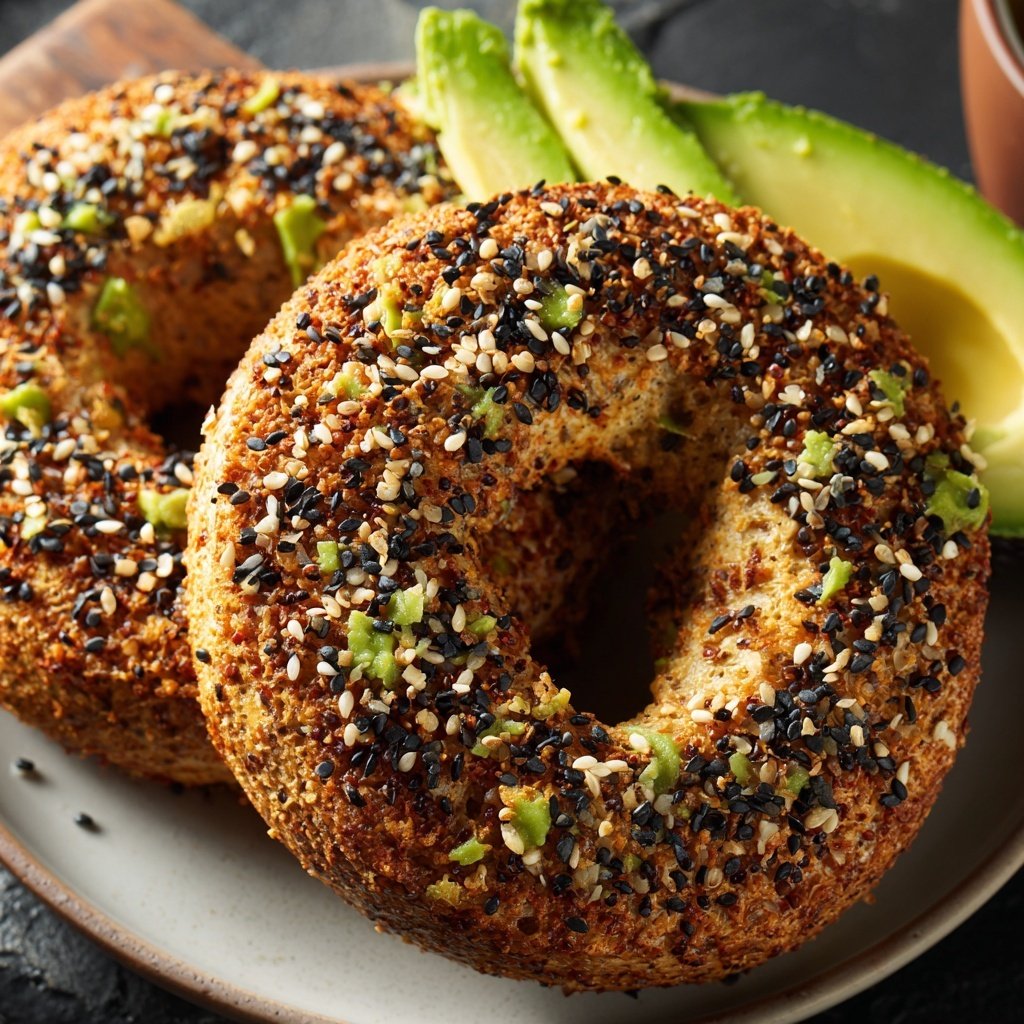
Protein Bagels With Psyllium Husk
Created by: Marianne Hughes
Recipe Type: Wholesome Kitchen Co.
Skill Level: Beginner
Final Quantity: 8 bagels
What You'll Need
For the Bagels
- 2 cups almond flour
- 1/4 cup psyllium husk
- 1 tbsp baking powder
- 1/2 tsp salt
- 2 tsp apple cider vinegar
- 1 cup warm water
- 1/4 cup sesame seeds (for topping)
How-To Steps
Preheat your oven to 375°F (190°C) and line a baking sheet with parchment paper.
In a large bowl, combine the almond flour, psyllium husk, baking powder, and salt. Mix thoroughly.
Stir in the apple cider vinegar and warm water until a dough forms. Let it sit for 5 minutes to allow the psyllium to absorb the moisture.
Divide the dough into 8 equal portions. Roll each portion into a ball and then poke a hole in the center to form the bagel shape.
Bring a pot of water to a boil. Gently drop in the shaped bagels, cooking them for about 2 minutes on each side.
Transfer the boiled bagels to the prepared baking sheet, sprinkle sesame seeds on top if desired, and bake for 25 minutes until golden brown.
Extra Tips
- For extra flavor, try adding herbs like garlic powder or onion powder into the dough.
Nutritional Breakdown (Per Serving)
- Calories: 150 kcal
- Total Fat: 10g
- Saturated Fat: 1g
- Cholesterol: 0mg
- Sodium: 150mg
- Total Carbohydrates: 10g
- Dietary Fiber: 6g
- Sugars: 1g
- Protein: 6g