Global Flavors Japanese Teriyaki Salmon
Highlighted under: International Eats Co.
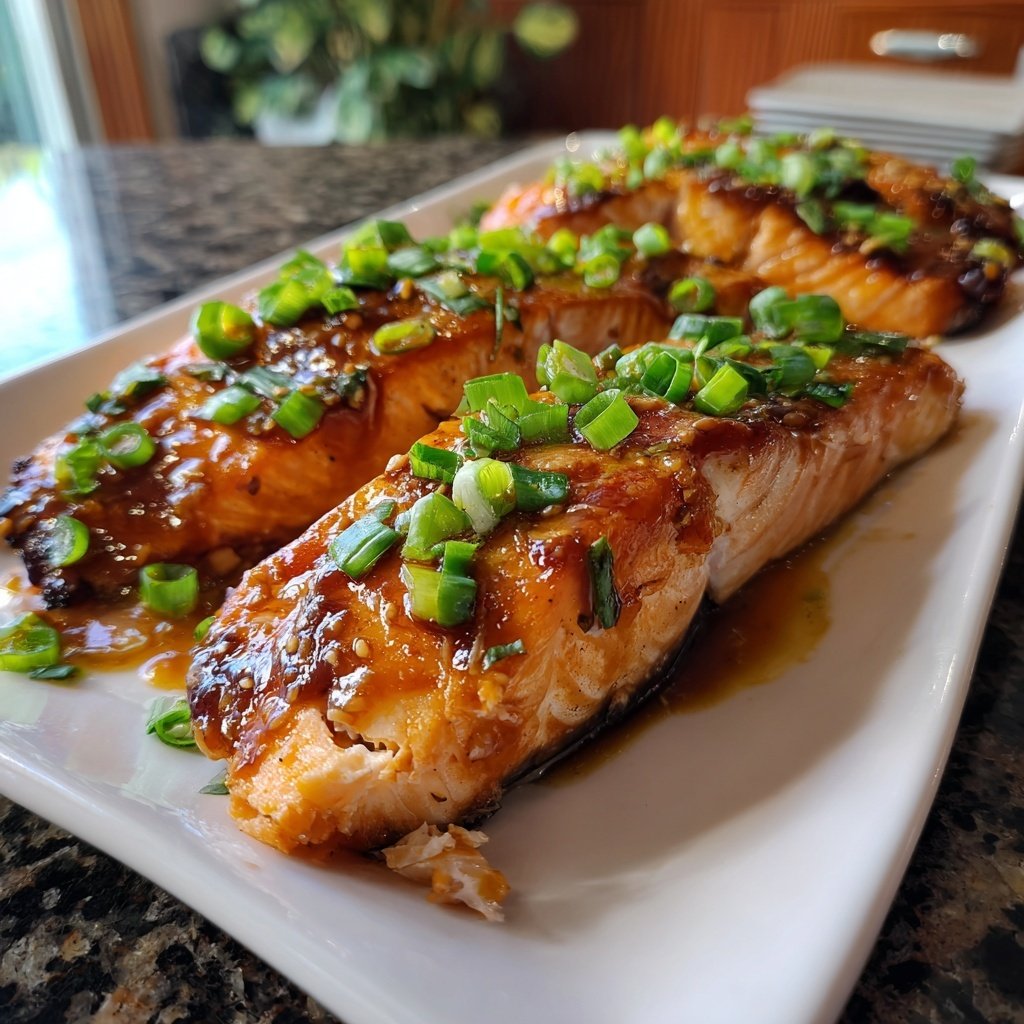
I recently discovered the joy of making Japanese Teriyaki Salmon at home, and it has truly transformed our family dinners. The harmonizing flavors of the sweet teriyaki glaze paired with the perfectly cooked salmon create a dish that feels both simple and indulgent. With just a few ingredients and minimal prep time, this recipe is a fantastic way to bring global flavors into my kitchen. Whether served with rice or on a bed of greens, this meal has quickly become a favorite in our household, making me look forward to dinner every night.
When I first tried making Teriyaki Salmon, I was surprised by how much the marinade could change the flavor profile of the fish. The combination of soy sauce, brown sugar, and ginger creates a luscious glaze that caramelizes beautifully in the pan. My secret to achieving that restaurant-quality finish is to briefly broil the salmon right at the end, giving it a delightful crisp without overcooking the fish.
I also love the versatility of this dish. It pairs wonderfully with steamed vegetables or can be served over fluffy jasmine rice, soaking up all that delicious teriyaki sauce. I often add sesame seeds and green onions for garnish, elevating the dish not just in flavor but in presentation too!
Why You Will Love This Recipe
- Rich teriyaki flavor that enhances the natural taste of salmon
- Quick and easy preparation perfect for weeknight dinners
- Versatile dish that pairs well with various sides
Mastering the Teriyaki Sauce
The teriyaki sauce is the star of this dish, balancing sweet and savory flavors that elevate the salmon. When combining the ingredients, ensure the brown sugar is completely dissolved; this step is crucial for achieving a smooth, glossy consistency. If you find the sauce too thick, a splash of water can loosen it up while still preserving the flavor. I recommend tasting the sauce as you whisk it together, allowing you to adjust the sweetness or acidity to your preference.
For an extra depth of flavor, consider adding a splash of toasted sesame oil or a hint of chili paste to the teriyaki sauce. This simple addition can introduce a subtle nutty taste and a little heat, making the dish feel more complex. If opting for a spicy version, start with a small amount, tasting as you go to find the perfect balance that complements the salmon without overwhelming it.
Cooking Techniques for Perfect Salmon
Cooking salmon perfectly can be a challenge, but using the right technique makes all the difference. Start with a preheated skillet over medium heat to ensure a nice sear on the skin. Placing the salmon skin-side down first keeps the flesh moist and allows the skin to crisp beautifully. Monitor the cooking time closely; cook until the flesh turns opaque and flakes easily with a fork, approximately 5-6 minutes on the first side and 4-5 minutes after flipping.
If you're concerned about overcooking, using an instant-read thermometer can help. Aim for an internal temperature of 145°F (63°C) for perfectly done salmon. I also recommend not overcrowding the pan—cooking in batches if necessary—to maintain the skillet's heat and achieve even cooking. A well-cooked salmon fillet with a caramelized teriyaki glaze will have a rich, buttery texture that contrasts beautifully with the slightly crispy skin.
Serving Suggestions and Storage Tips
This Teriyaki Salmon pairs exceptionally well with steamed jasmine rice, but don't hesitate to explore other side options like quinoa or soba noodles, which can enhance the dish's Asian flair. Alternatively, serving it over a bed of greens adds a refreshing crunch; try baby spinach or mixed greens tossed in a light vinaigrette to offset the sweetness of the glaze. For a bit more texture, add a side of roasted vegetables, such as broccoli or bok choy, which complement the salmon wonderfully.
If you have leftovers, store the salmon in an airtight container in the refrigerator for up to two days. When reheating, do so gently in a microwave or on the stovetop over low heat, adding a sprinkle of water to retain moisture. This dish also freezes well; just ensure you wrap the salmon tightly to prevent freezer burn. When you're ready to enjoy the leftovers, let them thaw in the refrigerator overnight before reheating to maintain the best flavor and texture.
Ingredients
Ingredients for Teriyaki Salmon
Teriyaki Sauce
- 1/4 cup soy sauce
- 1/4 cup brown sugar
- 1 tablespoon rice vinegar
- 1 tablespoon mirin
- 1 teaspoon grated ginger
- 1 garlic clove, minced
Salmon
- 4 salmon fillets
- 2 tablespoons sesame oil
- Salt and pepper to taste
- Sesame seeds for garnish
- Chopped green onions for garnish
Enjoy your meal!
Instructions
Step-by-step Instructions
Make the Teriyaki Sauce
In a small bowl, whisk together soy sauce, brown sugar, rice vinegar, mirin, grated ginger, and minced garlic until the sugar is dissolved.
Prepare the Salmon
Pat the salmon fillets dry with paper towels. Season with salt and pepper on both sides.
Cook the Salmon
In a large skillet, heat sesame oil over medium heat. Add salmon fillets skin-side down and cook for 5-6 minutes, basting with teriyaki sauce. Flip and cook for another 4-5 minutes.
Broil for Crispiness
Turn on the broiler and cook the salmon for an additional 2 minutes until the glaze is bubbling and caramelized.
Garnish and Serve
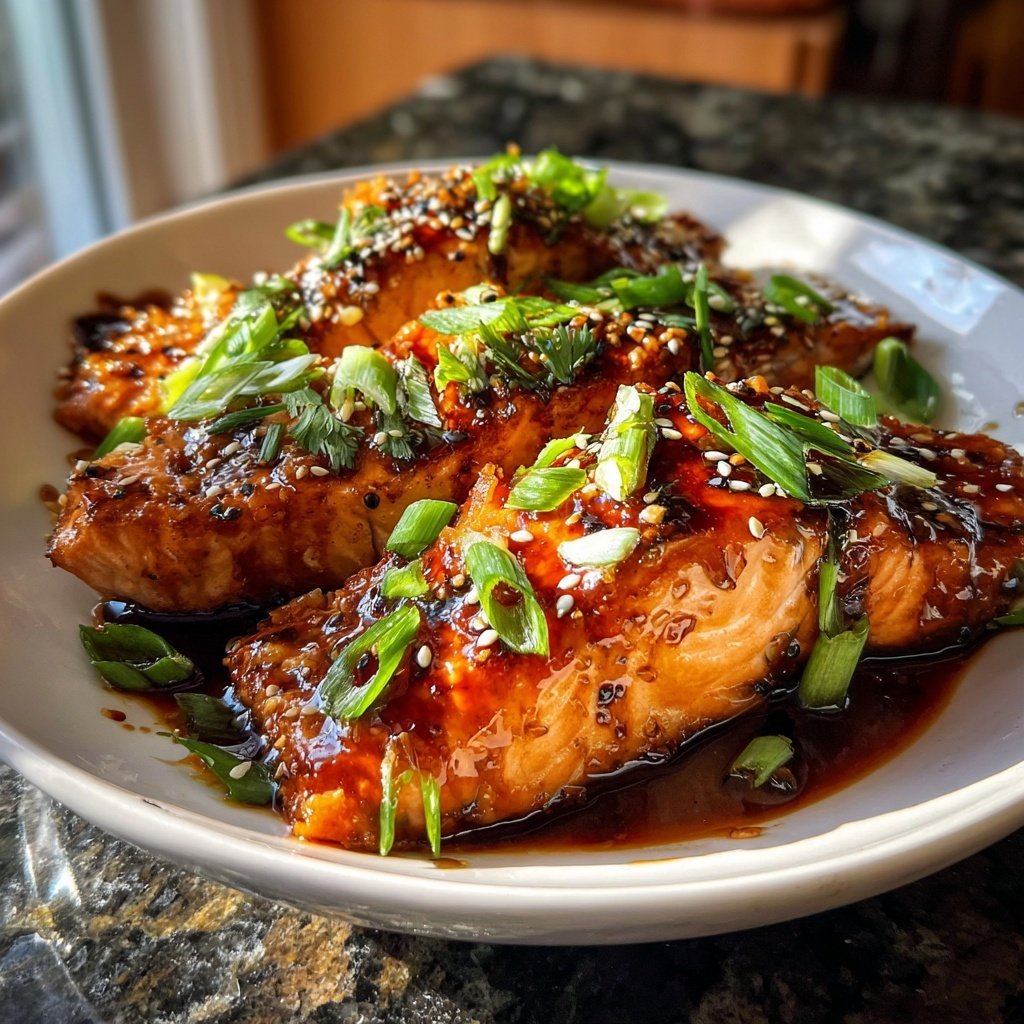
Remove from heat, garnish with sesame seeds and green onions. Serve warm with your choice of side.
Happy Cooking!
Pro Tips
- For a smoky flavor, consider grilling the salmon instead of pan-searing. Also, feel free to customize the sauce by adding a splash of sriracha for some heat.
Ingredient Substitutions
If you don't have mirin on hand, you can substitute it with a mixture of rice vinegar and a bit of sugar to mimic the sweetness that mirin provides. A splash of apple cider vinegar can also work in a pinch. For those looking for a gluten-free option, tamari sauce is an excellent replacement for standard soy sauce, ensuring that you can still enjoy the rich flavors without any gluten.
For the salmon itself, if you're looking for a leaner fish, you can swap it out for trout or tilapia, although cooking times may vary slightly. When using fish fillets that are thinner than salmon, keep a close eye on the cooking time to avoid drying them out. Additionally, if you’re cooking for a crowd, scaling the recipe up is straightforward; just ensure you have a large enough skillet or cook in batches to maintain even heat.
Troubleshooting Common Issues
If your teriyaki sauce isn't thickening as expected, consider simmering it on low heat for a few more minutes to help reduce and concentrate the flavors. Watching intently for visual cues, like a syrupy consistency, will signal it’s ready. Conversely, if it becomes too thick, adding water gradually can help achieve the desired texture without losing flavor.
Some may find that the salmon skin isn’t as crispy as desired. Make sure the skillet is hot enough before adding the salmon; a lukewarm skillet won't yield a good sear. If skipping the non-stick pan, consider using a well-seasoned cast iron skillet, which can help create that desirable crispy texture while also adding an appealing char.
Questions About Recipes
→ Can I use other types of fish?
Yes, this recipe works well with other fish such as trout or tilapia.
→ How long can I store leftovers?
Leftover salmon can be stored in the refrigerator for up to 3 days.
→ What should I serve with Teriyaki Salmon?
It pairs wonderfully with steamed rice, stir-fried vegetables, or a fresh salad.
→ Is Teriyaki sauce gluten-free?
Traditional Teriyaki sauce contains soy sauce, which may not be gluten-free. Look for gluten-free soy sauce if needed.
Global Flavors Japanese Teriyaki Salmon
Created by: Marianne Hughes
Recipe Type: International Eats Co.
Skill Level: Easy
Final Quantity: 4 servings
What You'll Need
Teriyaki Sauce
- 1/4 cup soy sauce
- 1/4 cup brown sugar
- 1 tablespoon rice vinegar
- 1 tablespoon mirin
- 1 teaspoon grated ginger
- 1 garlic clove, minced
Salmon
- 4 salmon fillets
- 2 tablespoons sesame oil
- Salt and pepper to taste
- Sesame seeds for garnish
- Chopped green onions for garnish
How-To Steps
In a small bowl, whisk together soy sauce, brown sugar, rice vinegar, mirin, grated ginger, and minced garlic until the sugar is dissolved.
Pat the salmon fillets dry with paper towels. Season with salt and pepper on both sides.
In a large skillet, heat sesame oil over medium heat. Add salmon fillets skin-side down and cook for 5-6 minutes, basting with teriyaki sauce. Flip and cook for another 4-5 minutes.
Turn on the broiler and cook the salmon for an additional 2 minutes until the glaze is bubbling and caramelized.
Remove from heat, garnish with sesame seeds and green onions. Serve warm with your choice of side.
Extra Tips
- For a smoky flavor, consider grilling the salmon instead of pan-searing. Also, feel free to customize the sauce by adding a splash of sriracha for some heat.
Nutritional Breakdown (Per Serving)
- Calories: 320 kcal
- Total Fat: 20g
- Saturated Fat: 3g
- Cholesterol: 85mg
- Sodium: 700mg
- Total Carbohydrates: 10g
- Dietary Fiber: 1g
- Sugars: 8g
- Protein: 27g